What is changing in dementia care
Families often hear about new medications or devices and wonder whether dementia care has changed completely. The clearest answer is that care is becoming more individualized. Medical treatment continues to advance, but everyday support still depends on knowing the person, noticing changes and adapting care over time.
Current dementia care combines several approaches. Personalized routines can provide familiarity. Technology can support safety and communication. Non-drug interventions can help with daily functioning and well-being. For some people with early Alzheimer’s disease, newer medications may slow clinical decline. None of these approaches works alone, and the right plan depends on the diagnosis, stage, health history and priorities of the person receiving care.
Personalized routines are moving to the center of care
Person-centered care starts with the individual rather than a standard schedule. The Alzheimer’s Association identifies person-centered care as the foundation of quality dementia care. That means learning how a person has structured the day, which activities feel meaningful, what helps them feel comfortable and when they tend to function best.
A useful routine can include regular wake and sleep times, familiar meals, favorite music, time outdoors, household tasks and quiet periods. The goal is not to fill every hour. It is to create enough structure to reduce uncertainty while leaving room for choice and rest. The Alzheimer’s Association notes that structured, pleasant activities can often reduce agitation and improve mood, especially when caregivers adjust the plan as abilities change.
For families evaluating memory care, personalization should be visible in the care process. Ask how caregivers learn a resident’s history and preferences, how routines are documented and how the team responds when a once-comforting activity no longer works.
Technology can support safety and coordination
Supportive technology is becoming more common in dementia care. Depending on the setting and the person’s needs, it may include digital calendars, medication reminders, wearable location tools, door or motion sensors, secure family communication platforms and electronic care records that help a team share observations.
The World Health Organization describes assistive technology as products and systems that help maintain or improve functioning in areas such as cognition, communication, mobility and self-care. Used thoughtfully, these tools can improve safety and help caregivers notice patterns. They should support human care rather than replace it.
Technology should also match the person’s abilities and preferences. A device that creates confusion or feels intrusive may add stress. Families can ask who monitors an alert, how quickly the team responds, how personal data is protected and what happens when a device fails. Consent, privacy and a clear response plan matter as much as the device itself.
Non drug interventions remain essential
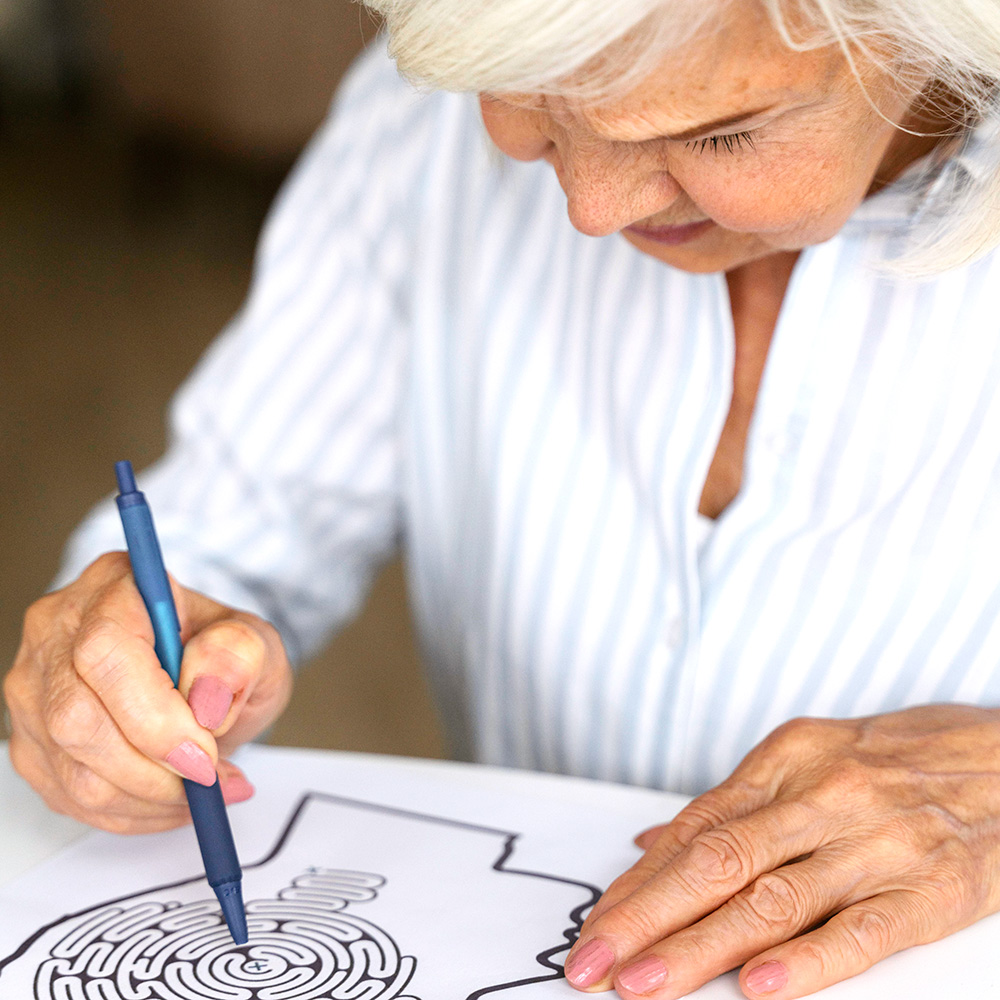
Non-drug interventions are not secondary to good dementia care. The World Health Organization notes that approaches such as rehabilitation, physical activity, social engagement, cognitive stimulation, education and support for caregivers can improve quality of life and daily functioning.
In practice, this may look simple and familiar. A caregiver might invite someone to fold towels, water plants, walk after breakfast, listen to a favorite album, look through family photographs or help prepare part of a meal. The activity should fit the person’s current abilities and offer a sense of participation rather than test performance.
Caregivers also need to consider possible causes of distress. Pain, hunger, fatigue, overstimulation, medication effects, infection and changes in hearing or vision can affect behavior. A calm activity may help, but a new or sudden change should be shared with a medical professional so a treatable cause is not missed.
Treatment options are evolving for early Alzheimer disease
Recent approvals have expanded treatment options for some people with early Alzheimer’s disease. The US Food and Drug Administration granted traditional approval to lecanemab, sold as Leqembi, in 2023 and approved donanemab, sold as Kisunla, in 2024. Both medications target amyloid in the brain and were studied in people with mild cognitive impairment or mild dementia due to Alzheimer’s disease with confirmed amyloid pathology.
These treatments can slow clinical decline for eligible patients, but they do not cure Alzheimer’s disease or restore abilities that have already been lost. They are not treatments for every type or stage of dementia. A specialist must consider the diagnosis, imaging, medical history, medications and the person’s goals before recommending treatment.
Both medications carry important risks, including amyloid-related imaging abnormalities, known as ARIA. ARIA can involve brain swelling or small areas of bleeding and may require MRI monitoring. Infusion reactions can also occur. Families considering these therapies should discuss potential benefits, risks, testing, monitoring, cost and treatment burden with a qualified clinician.
Better care connects clinical treatment with daily life
A medication plan and a daily care plan answer different questions. Medical treatment addresses a diagnosed condition and its symptoms. Daily support helps a person move through meals, personal care, relationships, activity and rest with as much dignity and independence as possible.
The strongest care plans connect these areas. Caregivers observe changes and communicate them clearly. Clinicians evaluate medical concerns. Families provide history and preferences. The plan changes as the person’s needs change. This teamwork can reduce gaps between what is prescribed and what happens throughout the day.
Questions families can ask a memory care provider
- How do you learn each resident’s routines, preferences, life history and communication style?
- How do caregivers document and share subtle changes in mood, appetite, sleep, mobility or communication?
- Which technologies do you use and how do you protect privacy and respond to alerts?
- What non-drug approaches do you use before considering medication for distress or behavior changes?
- How do you coordinate with families, physicians and other health professionals as needs evolve?
What families should take away
The most important developments in dementia care are not limited to a single medication or device. Care is becoming more responsive to the person. New treatments may offer meaningful options for some people with early Alzheimer’s disease, while personalized routines, supportive environments, skilled caregivers and family communication remain central at every stage.
The homekind Way focuses on dignity, independence, safety and meaningful human connection. To learn more about how a person-centered memory care setting may support your family, connect with the homekind team.
Frequently asked questions
What are the newest treatments for Alzheimer disease?
Lecanemab and donanemab are FDA-approved anti-amyloid treatments for certain people with mild cognitive impairment or mild dementia due to Alzheimer’s disease and confirmed amyloid pathology. They may slow decline but are not cures and require careful screening and monitoring.
How can technology help with dementia care?
Technology can support reminders, communication, location awareness, care documentation and safety monitoring. The best tools fit the person’s needs and include clear plans for privacy, consent and caregiver response.
Why do routines matter in dementia care?
Familiar routines can reduce uncertainty and help caregivers build daily support around the person’s strengths, preferences and natural rhythms. Routines should remain flexible as needs change.
Medical information
This article is for general education and is not medical advice. Diagnosis and treatment decisions should be made with a qualified health professional who knows the person’s medical history.
Sources
Sources were reviewed in September 2026. Treatment eligibility and safety information can change, so families should confirm current guidance with a qualified clinician.
- US Food and Drug Administration Leqembi traditional approval
- US Food and Drug Administration Kisunla approval
- World Health Organization Dementia
- World Health Organization Assistive technology
- Alzheimer’s Association Dementia care practice recommendations
- Alzheimer’s Association Daily care plan
| homekind Premier Senior and Memory Care | 1 |